Why oxygen-free copper
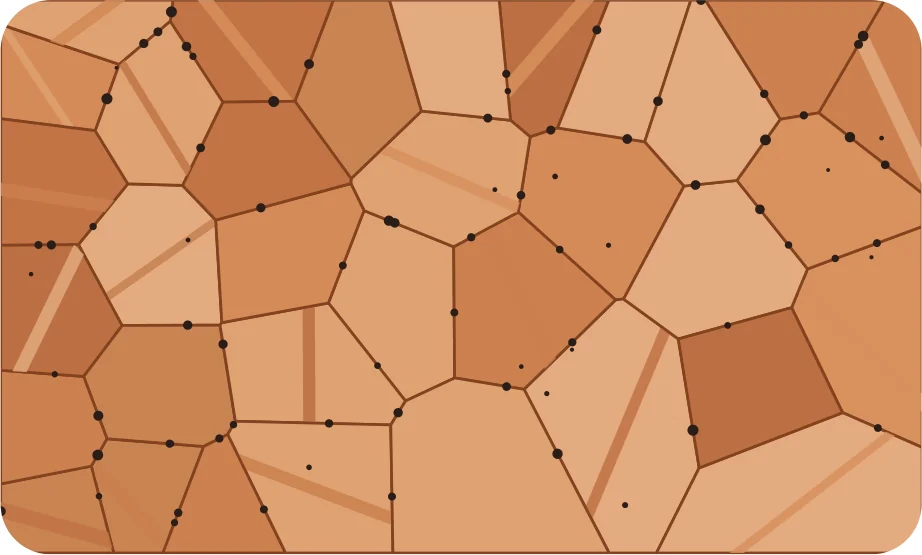
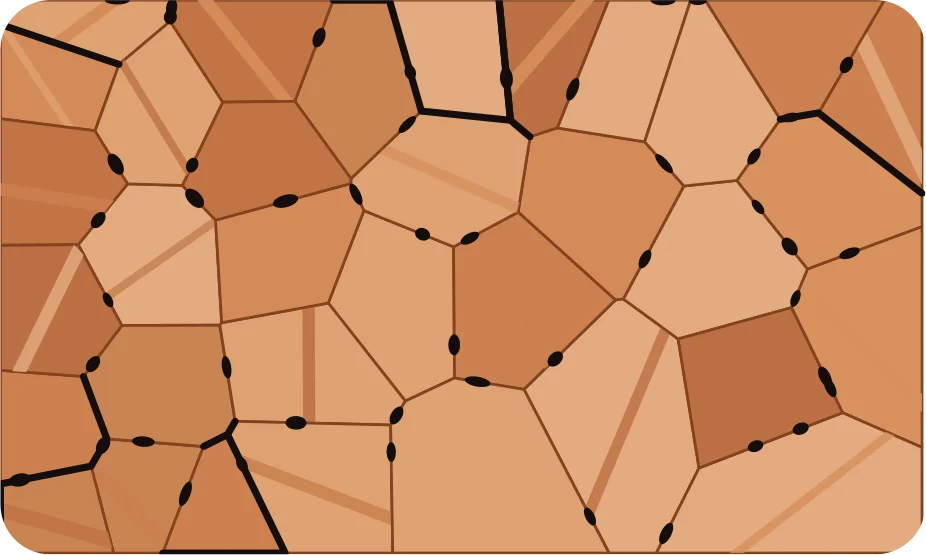
ETP copper, the most widely used copper grade, typically contains 200–400 ppm of oxygen, present as cuprous oxide (Cu₂O). Our C10100 OFE copper contains no more than 5 ppm. This difference affects how the copper performs during welding, bending and wire drawing.
OFE vs. ETP copper
Reference values for each grade.
| Property |
C10100 OFE copperRearden |
C11000 ETP copperMost common grade |
| Minimum copper |
99.99% |
99.90% |
| Oxygen |
5 ppm max. |
200–400 ppm (typical) |
| Electrical conductivity (annealed) |
101% IACS min. |
100% IACS min. |
| Thermal conductivity |
391 W/m·K |
388 W/m·K |
| H₂ or reducing-atmosphere brazing |
Yes, no embrittlement |
No: embrittles above ~700 °F (370 °C) |
| Laser or electron-beam welding |
Sound joints, no oxide porosity |
Porosity risk |
| Fine wire drawing |
Fewer breaks: no oxide particles |
Oxide particles can cause breaks |
| High vacuum |
Suitable: low outgassing |
Not recommended |
Brazing and welding without embrittlement
Suited to hydrogen, laser and electron-beam processes.
Top conductivity
101% IACS minimum, annealed.
More ductility
No oxide particles to start cracks during bending or drawing.
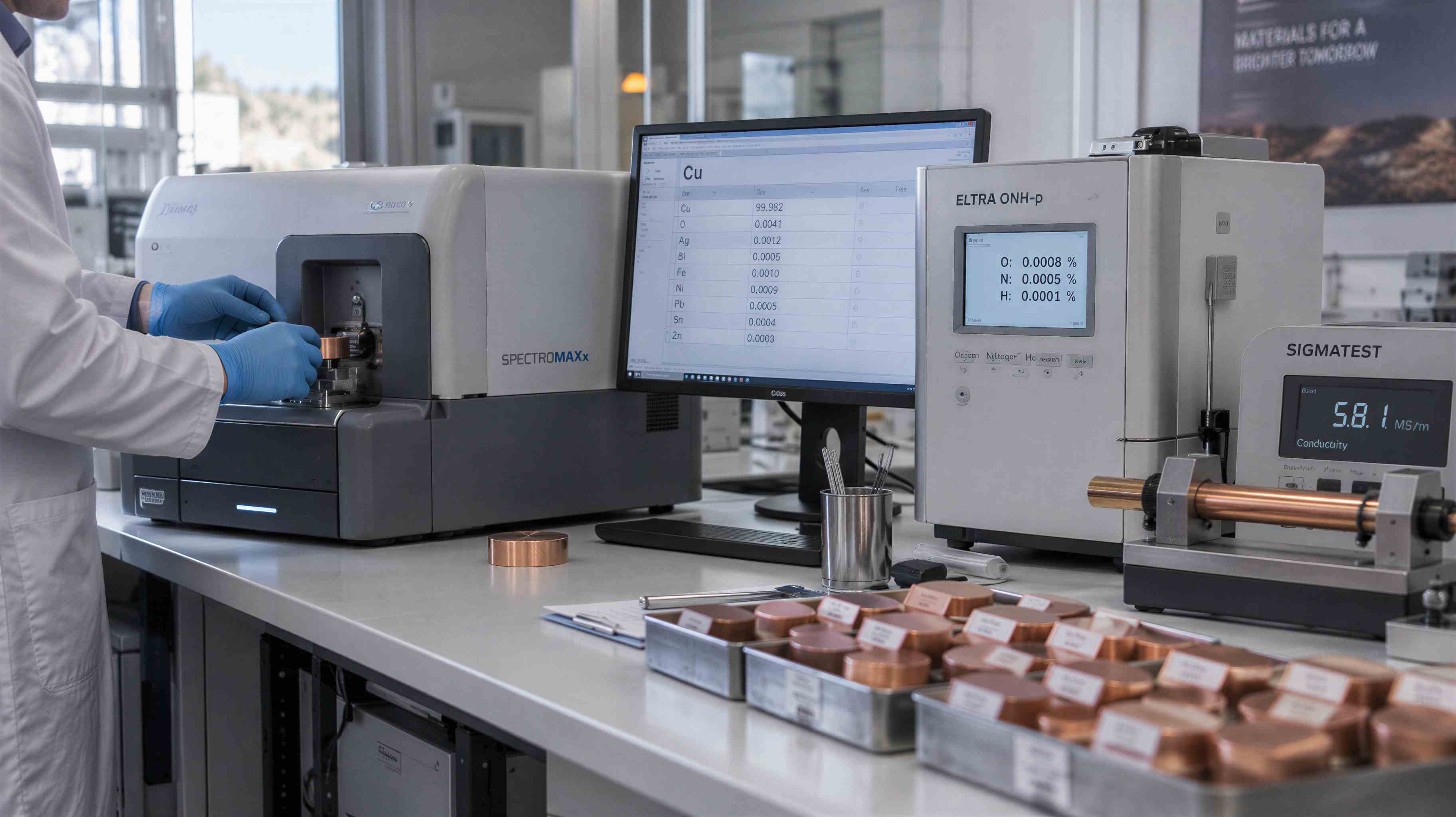
99.99% purity
With tight impurity limits, lot after lot.
Compare C10100 and C11000 in detail